-
Posted by cenwan cenwan
5 hours ago
Filed in Other
#Folder Gluer
1 view
Converters selecting folding and gluing equipment frequently examine the range of carton forms a single platform can process without major reconfiguration. Attention directed toward Folder Gluer
systems associated with cenwanmachine centers on the capacity to manage straight-line, lock-bottom, and multi-panel designs within ordinary production schedules. Which structural features enable one machine to address such varied configurations effectively?
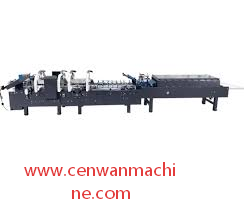
Blank feeding mechanisms accept sheets across a practical spectrum of widths and calipers, positioning each piece so that subsequent stations receive consistent registration. Pre-fold sections create initial creases that prepare panels for final closure, reducing resistance when the main folds occur. Side belt assemblies guide left and right flaps into place while maintaining parallel alignment. Glue stations apply adhesive only to designated areas, whether the joint is a simple side seam or a more intricate bottom lock sequence. Compression zones then secure the bond under controlled pressure before the finished carton exits to the delivery conveyor.
Straight-line styles constitute the most common application, requiring sequential folding of the longitudinal panels and a single side glue joint. Crash-lock or automatic bottom designs introduce additional flaps that interlock during the folding sequence, demanding precise timing between the lower hooks and the advancing blank. Four-corner and six-corner constructions involve simultaneous folding of multiple panels, often supported by specialized attachments that hold the structure until the adhesive sets. Double-wall or reinforced cartons add thickness variations that the feeding and folding elements must accommodate without loss of registration. Specialty shapes with angled panels or irregular contours can be addressed through custom guide sets prepared for specific orders.
Operators running mixed product portfolios report that changeovers between these forms remain manageable when the machine incorporates independent adjustments for each section. Side guides and folding belts can be repositioned according to documented settings, allowing the same base equipment to shift from retail folding cartons to heavier corrugated shipping containers. Glue application patterns switch between continuous lines and intermittent deposits depending on the joint type required. Delivery stacking adjusts to the finished dimensions so that cartons of differing heights and footprints exit in stable columns. Facilities processing both consumer packaging and industrial containers note that the platform retains dimensional accuracy across successive runs.
One description recounted processing a sequence of pharmaceutical cartons followed by larger corrugated mailers on the same line. After the initial setup for the smaller format, the operator applied the recorded parameters for the larger style and resumed production with only brief interruption. Another account from a plant focused on food packaging mentioned that the crash-lock attachment integrated smoothly once the blank dimensions were entered, producing bottoms that locked securely without secondary manual intervention. Such experiences demonstrate the practical breadth of forms that can be addressed once the core machine is in place.
Mechanical elements tolerate the range of board stiffness encountered when moving between lightweight coated stocks and multi-flute corrugated sheets. Drive coordination keeps the blank under continuous control so that folds occur at the intended score lines. Sensor feedback confirms position at critical transfer points, preventing progressive misalignment. Frame rigidity limits deflection that could otherwise affect fold geometry on wider blanks. Access points allow inspection of wear surfaces without extended disassembly, supporting consistent performance across style changes.
Engineering pathways permit the addition of specialized tooling for less common configurations while retaining the standard stations for high-volume forms. Requests for extended width capacity or modified folding sequences stay within parameters that preserve overall machine balance. Multi-site operators observe that identical control logic across installations simplifies the transfer of setup knowledge when teams move between plants. Individual supervisors value the predictable response that appears when documented settings for each style are followed.
Fold geometry and belt trajectories direct force along the intended score lines rather than imposing secondary stresses. Each station builds upon the previous action so that the carton emerges fully formed and ready for packing. Reverse-side panels provide access to critical components without requiring complete teardown. These construction details surface frequently in accounts of sustained versatility after the equipment has entered regular service.
Feedback concerning the Folder Gluer approach at cenwanmachine notes its ability to address a spectrum of carton architectures within established mechanical frameworks. Configurations remain inside ranges that protect structural integrity and process consistency. Group purchasers mention that matching interfaces across units ease coordination when several lines receive similar specifications. Facility managers appreciate the quiet reliability that forms when style-specific parameters align with the machine's documented capabilities.
Users operating under different ambient and power conditions observe that control systems continue to function after ordinary fluctuations. Mechanical recovery persists through humidity changes once the units enter continuous duty cycles. Compact relative footprints help plants where floor space constrains layout options. Routine care intervals generally maintain original performance across style transitions without specialized external procedures for most applications.
Viewed collectively, the design sequence prioritizes precise blank control, sequential folding actions, and modular attachments that together enable one platform to process an extended range of carton forms. The resulting equipment addresses both high-volume standard styles and intermittent specialty requirements. Interested parties can review particular configurations and seek additional information by examining available options at https://www.cenwanmachine.com/product within the primary product overview section. Ongoing reports from plants that switch among multiple box designs continue to clarify long-term behavior under varied order patterns.