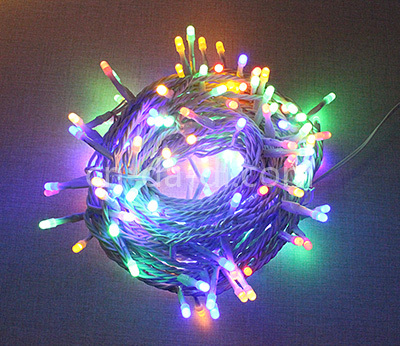
Seasonal decorations require lighting that can complement different materials, shapes, and display environments, which is why LED Christmas Decoration Lights are widely considered when designing modern holiday displays. LED technology offers compact light sources, flexible installation options, and a broad selection of colors and visual effects. These features allow decorative lighting to be incorporated into residential interiors, commercial windows, public venues, hospitality spaces, and temporary Christmas installations.
The basic structure of an LED decorative light includes semiconductor light sources, conductive wires, insulation, connectors, and protective components. Each part contributes to the overall function of the lighting system. LEDs provide the illumination, while conductive materials transfer electrical energy to the light source. Insulating layers help separate electrical components from the surrounding environment, and connectors allow different sections to be integrated according to the product design.
Copper is commonly used in decorative lighting wires because its electrical conductivity supports efficient current transmission while allowing the conductor to remain relatively compact. Its flexibility also makes it suitable for lighting arrangements that require bending, shaping, or positioning around decorative objects. Insulation materials are selected to provide electrical separation while maintaining flexibility during installation and storage.
One advantage of modern LED decoration systems is the ability to create different visual effects without requiring large lighting fixtures. Small LED elements can be distributed along wires, strings, curtain structures, or decorative frames. This allows lighting to become part of the decoration itself rather than simply providing general illumination. When carefully arranged, the light source can highlight ornaments, architectural details, display backgrounds, and seasonal merchandise.
In retail environments, LED Christmas Decoration Lights can help define seasonal display zones and create visual contrast around products. Window displays may use lighting to outline shapes, emphasize decorative scenes, or create a stronger connection between the storefront and the Christmas theme. Hotels and restaurants can similarly incorporate decorative lighting around entrances, reception areas, dining spaces, and outdoor features.
Color temperature and color selection should be considered according to the intended atmosphere. Warm white lighting is often associated with traditional Christmas environments because it provides a softer appearance. Multicolor lighting can create a more playful effect, while cool white illumination may suit modern architectural displays. The most appropriate option depends on the surrounding materials, ambient lighting, brand environment, and overall design concept.
Installation flexibility is another important factor. Decorative lighting may need to follow curved surfaces, wrap around structural elements, or fit into limited spaces. Flexible wiring makes these arrangements easier to achieve than rigid lighting fixtures. However, flexibility does not eliminate the need for proper installation practices. Wires should not be sharply bent beyond their intended limits, and connections should be positioned to minimize mechanical stress.
Environmental conditions also influence product selection. Indoor installations generally face fewer exposure challenges, while outdoor displays may encounter rain, humidity, temperature changes, dust, and wind. Lighting intended for exterior use should therefore be selected according to its specified environmental suitability. Power supplies, connectors, and extension components should also be compatible with the complete system rather than treated as separate considerations.
Safety is particularly important when decorative lighting is installed near fabric, artificial foliage, paper ornaments, or other seasonal materials. Users should follow product instructions, avoid damaged wiring, maintain suitable electrical connections, and prevent excessive heat accumulation around the installation. Commercial projects should also consider access, cable management, and the potential for repeated handling by staff or visitors.
Manufacturing quality affects the consistency of decorative lighting across larger installations. Automated assembly, controlled soldering processes, wire inspection, LED testing, and finished-product testing can help manufacturers maintain consistent electrical and visual characteristics. For distributors and project buyers, stable manufacturing processes can make it easier to plan installations where many lighting units need to work together.
Long-term usability also depends on storage and handling after the holiday season. Lighting strings should be removed without pulling directly on individual LED components or connectors. Clean, dry storage can help protect materials from unnecessary environmental exposure, while organized winding can reduce cable damage caused by tangling or repeated sharp bends.
For buyers evaluating seasonal lighting, the selection process should consider construction materials, lighting effect, installation method, environmental conditions, electrical compatibility, and maintenance requirements. A balanced approach can help ensure that the lighting supports the intended decorative concept without creating unnecessary installation complexity. For additional Christmas lighting products and application possibilities, visit https://www.cn-da-di.com/product/other-christmas-lights/ for further sourcing reference.