Posted by Mgirl Mgirl
3 hours ago
Filed in Other
#Kids Cosmetics
1 view
Manufacturing beauty products intended for children requires careful attention to formulation, raw materials, production conditions, packaging, and finished-product inspection.Kids Cosmetics are often designed around playful colors, attractive shapes, and easy-to-use formats, yet their development also requires appropriate quality management throughout the manufacturing process. MgirlCosmetic, associated with JinhuaMgirl Cosmetic Co., Ltd., provides cosmetic product development and manufacturing resources covering makeup categories and customized beauty solutions. For brands entering this segment, understanding the manufacturing workflow can help establish a practical product development plan. From the first formula concept to the final package, how can manufacturers organize each stage to meet appropriate quality requirements?
Formula Development and Raw Material Selection
The manufacturing process begins with a product concept and a suitable formulation. Different makeup formats require different ingredient combinations and production methods, so manufacturers need to consider the intended product format before preparing a production plan.
Raw material selection is an important part of this stage. Pigments, emollients, powders, waxes, oils, and other cosmetic ingredients can influence texture, appearance, spreadability, and storage characteristics. Materials should be evaluated according to their intended cosmetic application and applicable requirements.
A structured incoming inspection process can also help manufacturers verify raw material specifications before production. Checking documentation, appearance, packaging condition, and relevant test information provides a foundation for subsequent processing. This approach helps prevent unsuitable materials from entering the manufacturing workflow.
Controlled Production Processes
Once materials have been approved, production can move into weighing, mixing, filling, pressing, assembly, or other procedures according to the selected product format. Each stage requires appropriate process parameters and equipment.
Powder products may require controlled blending to create an even texture and color distribution, while cream or liquid formats can involve different mixing and filling procedures. Packaging components also need to correspond with the product structure and filling method.
Production records can support process traceability by documenting material batches, processing conditions, equipment information, and inspection results. Such records give manufacturing teams a practical reference when reviewing product consistency or investigating an unexpected production issue.
Testing and Quality Inspection
Quality evaluation should not be limited to the final product. Inspection can take place throughout manufacturing, allowing potential issues to be identified during different stages.
Appearance checks can examine color, texture, surface condition, filling accuracy, and packaging presentation. Depending on the product type, additional evaluations may focus on stability, compatibility, microbial quality, or other relevant characteristics.
Finished-product inspection provides another opportunity to confirm that the manufactured goods correspond with approved specifications. Sampling procedures can be arranged according to internal quality systems and applicable market requirements.
For brands preparing products for different countries, regulatory expectations can vary by destination. Manufacturers therefore need to consider the requirements associated with the intended market during product development rather than waiting until the shipping stage.
Packaging and Product Presentation
Packaging performs both a protective and commercial function. A suitable container should correspond with the product's physical characteristics, filling method, storage conditions, and expected consumer use.
Children-oriented beauty products may use colorful graphics, playful shapes, themed palettes, or coordinated accessories. While appearance is important for market presentation, packaging also needs to remain practical during transportation, storage, opening, and everyday handling.
Packaging inspection can examine labels, printing quality, closure performance, component assembly, and overall appearance. Consistent packaging helps brands maintain a coordinated presentation across a product collection.
For customized projects, artwork approval should take place before mass production. Clear communication regarding logos, colors, package dimensions, printed information, and accessory components can help reduce production misunderstandings.
Hygiene and Manufacturing Environment
Cosmetic manufacturing requires appropriate attention to cleanliness and environmental management. Raw materials, equipment, containers, production surfaces, and personnel practices can all influence manufacturing conditions.
A controlled production environment can support consistent processing and reduce the possibility of avoidable contamination. Cleaning procedures, equipment maintenance, personnel management, and production-area organization can form part of a structured quality system.
The exact requirements depend on the product category, manufacturing location, target market, and applicable regulations. A professional manufacturing workflow should therefore integrate hygiene management into routine production rather than treating it as a separate final inspection step.
Customization and Brand Development
Many beauty brands seek customized products rather than standard items. Customization can involve formula characteristics, color palettes, product combinations, packaging artwork, accessories, and presentation formats.
A manufacturer supporting customized projects needs to coordinate development samples with production requirements. Sample evaluation gives the brand an opportunity to review appearance, texture, packaging, and overall concept before proceeding with a larger manufacturing program.
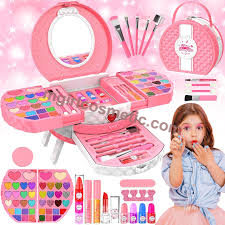
Communication is particularly important when a product includes several components. A makeup kit may contain multiple shades, applicators, mirrors, cases, or decorative elements, meaning that each component needs to fit within the final package structure.
This type of coordinated development can help brands turn an initial concept into a commercially prepared cosmetic product while maintaining a clear production record throughout the process.
Choosing a Manufacturing Partner
Brands evaluating cosmetic manufacturing partners can consider several practical factors, including product categories, customization capabilities, production resources, quality procedures, communication, packaging services, and export experience.
A manufacturer's website can provide useful information during the initial research stage. Product pages, company information, manufacturing categories, and application descriptions allow potential buyers to understand whether a supplier's capabilities correspond with their project requirements.
MgirlCosmetic provides an online platform where brands can review cosmetic product categories and explore available manufacturing options. For companies interested in children-oriented makeup products, the product range can serve as a reference when planning a new collection or discussing a private-label project.
A clear inquiry can also help the manufacturing team understand a project's requirements. Providing preferred product formats, target market, packaging concepts, artwork ideas, and expected order arrangements can create a useful starting point for further discussion.
Building Quality Into Every Stage
Quality management is most effective when it is integrated throughout development and production rather than added only at the end. Formula planning, raw material inspection, controlled processing, intermediate checks, finished-product evaluation, and packaging inspection can all contribute to a consistent manufacturing workflow.
Quality management is most effective when it is integrated throughout development and production rather than added only at the end. For brands developing Kids Cosmetics, selecting a manufacturing partner with suitable formulation knowledge, production resources, and inspection procedures can support an organized development process. MgirlCosmetic offers cosmetic product information and manufacturing resources for businesses exploring children's makeup concepts. Companies interested in reviewing related products can visit https://www.mgirlcosmetic.com and examine available options when preparing a new project. Through coordinated formulation, careful inspection, suitable packaging, and clear communication, Kids Cosmetics projects can be developed according to defined specifications and market requirements.