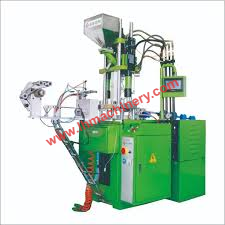
The zipper represents one of the most ubiquitous yet overlooked inventions of the modern era. Billions of meters of zipper chain roll off production lines annually, destined for apparel, luggage, footwear, and technical textiles. At the heart of plastic zipper production sits the injection molding zipper machine, a specialized piece of equipment that forms individual teeth onto a woven tape with precision and speed. The manufacturers who build these machines occupy a niche but critical position in the global supply chain. However, this position carries significant weight. These producers face a distinct set of pressures—from material costs to workforce development—that threaten operational stability and long-term viability. Lhmachinery, a player in this field, observes these trends with careful attention. What strategies can manufacturers employ to navigate these turbulent conditions, and what does the future hold for those who build the machines that build our zippers?
Raw material costs constitute the first persistent challenge. An injection molding zipper machine relies on high-grade steel for its molds, frames, and critical moving components. The price of specialty steel alloys fluctuates with global commodity markets, often sharply. When steel prices spike, production costs rise instantly. Unlike larger OEMs, many machine manufacturers cannot absorb these increases or pass them entirely to customers. They operate on tight margins. Compounding this pressure, the electronics and servomotors essential for modern automation also face supply chain constraints and semiconductor shortages. A single machine may contain dozens of sensors and controllers. Any component delay halts assembly. This vulnerability to global materials markets forces manufacturers to rethink inventory strategies, supplier relationships, and even machine design to reduce reliance on volatile materials.
The technological complexity of modern injection molding zipper machine design intensifies these challenges. Customers now expect machines that operate faster, with greater precision and reduced energy consumption. They demand rapid changeover between zipper styles and sizes. They require connectivity for Industry 4.0 monitoring and predictive maintenance. Meeting these expectations demands substantial investment in research and development. Smaller manufacturers may struggle to fund this innovation. They compete against larger players with extensive engineering teams. Yet failing to innovate means losing market share. This places manufacturers in a difficult position: invest heavily in uncertain returns or risk obsolescence. The pace of change shows no sign of slowing, with new materials and moulding technologies constantly emerging. Keeping pace requires continuous learning, prototyping, and equipment modification.
Skilled labor shortage represents a third, equally pressing, concern. Operating, maintaining, and building these complex machines requires specialized knowledge. Mechanical engineering, PLC programming, mould design, and precision machining skills do not appear overnight. Training a skilled technician or engineer takes years. Meanwhile, the existing skilled workforce ages. Younger generations show less interest in manufacturing careers. This demographic shift creates a talent vacuum. Manufacturers compete not only for customers but for qualified personnel. Without skilled workers, production quality suffers, maintenance delays increase, and innovation slows. Addressing this requires investment in training programs, apprenticeship models, and partnerships with technical schools. It also means improving working conditions and automation to reduce reliance on manual tasks. Yet these solutions require time and money that many manufacturers lack, creating a persistent operational drag.
Energy costs and environmental regulations add another layer of complexity. Injection molding machines are energy-intensive. Heating, cooling, and hydraulics consume substantial electricity. Rising global energy prices cut directly into profitability. Simultaneously, environmental authorities impose stricter emission standards on manufacturing facilities. Waste handling, coolant disposal, and noise pollution all face greater scrutiny. Compliance often requires equipment upgrades or process changes that entail significant capital expenditure. Smaller manufacturers may find these costs prohibitive. However, non-compliance risks fines, sanctions, or facility shutdowns. The solution lies in energy-efficient designs, such as servo-driven systems, and cleaner production methods. These investments reduce long-term costs and regulatory risk, but they require upfront capital that many manufacturers are reluctant or unable to provide.
Competition from lower-cost regions presents a further strategic dilemma. Manufacturers in regions with lower labour and material costs can undercut prices. This pressure forces established producers to differentiate on quality, reliability, after-sales support, and machine longevity. However, communicating this value to price-sensitive buyers challenges even the most experienced sales teams. The purchasing decision often focuses on upfront cost rather than total cost of ownership. This misalignment of priorities rewards cheaper, less durable machines, undermining incentives for quality manufacturing. Manufacturers must educate customers on the long-term financial and operational benefits of higher-quality equipment. This educational effort demands marketing budgets, technical documentation, and customer demonstration facilities that represent substantial overhead.
Quality consistency across the production batch presents an internal engineering challenge. Building an injection molding zipper machine involves thousands of parts and assembly steps. Each component must meet exact tolerances. Any deviation affects machine performance and reliability. Maintaining this quality across every machine, from first to last, requires rigorous quality control systems. This includes inspection protocols, test procedures, and traceability systems. Expanding production capacity often strains these systems. Training new inspectors and maintaining their diligence proves challenging. A reputation for inconsistent quality damages a brand severely. Manufacturers invest heavily in process control, yet occasional defects inevitably occur. How those defects are handled—through responsive service and replacement—shapes customer loyalty. This balance between prevention and reaction demands constant management attention.
The longevity of the installed base creates a different kind of pressure. A well-built zipper machine may operate for decades. This durability, while a selling point, reduces replacement demand. Manufacturers rely on new sales for revenue growth. When machines last too long, the market for replacements shrinks. Manufacturers then seek revenue through parts, maintenance services, and upgrades. This shifts the business model from purely transactional to relationship-based. Managing these relationships requires service infrastructure, technical support teams, and spare parts inventory. It also requires continuous product improvement to encourage upgrades. Manufacturers must balance selling durable equipment against sustaining their own business. This commercial tightrope requires deep customer understanding and strategic pricing of both machines and services.
All these challenges converge in the daily operations of manufacturers. They must manage costs, innovate, train staff, comply with regulations, compete globally, maintain quality, and nurture customer relationships simultaneously. No single solution addresses all these pressures. Manufacturers must choose areas of focus based on their market position and resources. For those seeking to understand how modern equipment addresses production efficiency and quality consistency, detailed technical articles offer valuable insights. https://www.lhmachinery.com/ explores one such aspect: the operational benefits of advanced machine design. The decisions made today determine which manufacturers thrive and which merely survive. The industry's future belongs to those who confront these challenges directly, turning pressure into progress. Will your manufacturing partner meet these demands with the resilience and innovation required?