-
A restaurant owner walking through a supply catalog often pauses at the same page. Plain napkins cost less, yet they leave every table looking anonymous. Branded options carry a logo, a pattern, or a seasonal motif, and they turn a simple meal into something customers remember. The question that follows is practical: can a dining establishment use Party Printed Paper Napkins without disrupting service or overspending? papernapkinfactory works with food service clients on exactly this kind of decision, and the answer depends on how a restaurant operates rather than on any single rule. What factors should an owner weigh before placing an order?
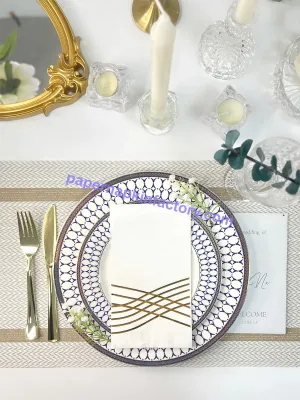
The type of restaurant shapes the choice. A fast casual counter operation hands napkins to customers in a stack, and printed designs rarely register in that setting. A full service dining room places napkins at each setting, where a logo or border becomes part of the table presentation. Cafes and bakeries often use printed napkins as part of their packaging, wrapping a pastry or tucking a napkin into a takeout bag. Event venues and banquet halls order in larger volumes for weddings, corporate dinners, and holiday parties. Each format calls for different sizes, ply counts, and print coverage.
Daily service and special occasions pull in different directions. A restaurant may keep plain napkins behind the counter for routine use and reserve printed stock for weekend dinner service or private events. This approach controls cost while still delivering a branded experience when it matters. Some establishments print napkins for a limited season, such as a summer menu launch or an anniversary week, then return to standard stock afterward. Planning around the calendar keeps the supply budget predictable.
Design choices influence both appearance and cost. A single color logo costs less to print than a full color illustration, since each color requires its own plate. Many restaurants find that a simple wordmark or monogram reads clearly on a small surface and holds up well across a large run. Others add a tagline, a website address, or a social media handle. Borders and repeating patterns create visual interest without crowding the center. The size of the napkin limits how much detail can appear, so a clean layout usually outperforms a busy one.
Paper stock and ply count affect how a napkin feels in a customer's hand. A light one-ply sheet suits a quick lunch, while a two-ply or three-ply napkin holds up through a multi-course dinner. Uncoated paper offers a soft, natural texture that pairs well with rustic or farm-to-table concepts. Coated stock displays vivid color and resists smudging when a guest uses the napkin with greasy food. Restaurants serving fried dishes or saucy cuisine often prefer a stock that handles moisture without falling apart.
Order volume and storage deserve early attention. Custom printing requires setup work, so suppliers set minimum quantities to keep the process economical. A small bistro may order less than a hotel chain, and a supplier who understands this range can suggest quantities that balance cost against shelf life. Napkins take up storage space, and paper products can absorb moisture or pick up odors if left in a damp corner. A dry, clean storage area keeps printed stock in good condition until it reaches the table.
Food safety and handling also matter. Printed napkins that touch food or a diner's hands should use inks and paper that meet applicable standards for food contact. A supplier with experience in food service understands these requirements and can confirm what a specific product line offers. Restaurants should ask about ink type, paper grade, and any certifications the factory holds. These details protect both guests and the business.
FuRong has supplied printed and shaped napkins to customers across hospitality and events, and its team advises restaurants on design, quantity, and stock selection. The company's site at https://www.papernapkinfactory.com/product invites visitors to review options and discuss their needs directly.
For a restaurant preparing an order, a few steps keep the process smooth. Decide which services will use printed napkins and which will stay with plain stock. Choose a design that reads clearly at the size being ordered. Confirm the file format the printer accepts and request a proof before production. Ask about lead times against any event date, and check whether the supplier stores plates for repeat runs. If a seasonal design is planned, send the artwork early so the napkins arrive before the promotion begins. A short conversation about these points settles most questions before they become problems. As a Party Printed Paper Napkins supplier, FuRong handles orders for bistros, cafes, banquet halls, and chain restaurants, and its team answers questions about ink, ply, and quantity without pushing a one-size-fits-all answer. Reaching out to papernapkinfactory early gives both sides room to plan, and the finished napkins show that care on every table.