What Makes a Welding Helmet Comfortable to Wear?
Posted by ruiling ruiling
Filed in Other 2 views
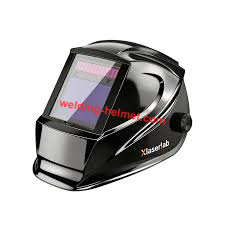
Have you ever picked up a welding helmet and noticed how differently two models can feel before you even put them on? Some have broad, angular shells that create a strong industrial appearance, while others feature softer curves and compact outlines. The design of an auto dimming helmet is not simply about appearance, because its shape determines how naturally the equipment sits around the head and face. Looking closely at an auto dimming helmet visor reveals how small design decisions influence its overall character and everyday practicality.
The outer shell is usually the first feature that catches the eye. Its curved profile needs to provide sufficient facial coverage while maintaining a balanced appearance from the front and sides. A shell that extends naturally around the face can create a more enclosed protective structure without looking unnecessarily bulky. Rounded edges also give the helmet a cleaner visual finish, especially when viewed from different angles under workshop lighting. These details matter to buyers who want protective equipment that looks professionally designed rather than assembled from unrelated components.
Visor proportions play an equally important role in the overall structure. A wide viewing area can make the front of a helmet appear more substantial, while its surrounding frame creates a clear visual boundary. The relationship between the viewing window and the outer shell needs careful consideration. If the frame looks too heavy, the front can appear crowded; if it is too narrow, the construction may look visually unfinished. Good proportions bring these elements together and give the helmet a purposeful, balanced appearance.
Walk through a welding workshop and the differences become easier to notice. One operator may wear a helmet with a deep front profile, while another prefers a slimmer shape that sits closer to the face. When I examine equipment on a workbench, I often pay attention to the side silhouette first. The angle of the forehead section, the curve around the cheek area, and the way the rear shell follows the head all contribute to the product's visual identity. A well-considered outline should look natural rather than awkward or excessively complicated.
Size is another design consideration that deserves attention. A helmet must accommodate the head without appearing oversized, particularly around the forehead and lower face. Its internal space, external dimensions, and headgear arrangement work together to determine how the product is positioned when worn. Adjustable headgear can help different users achieve a suitable fit, while a thoughtfully shaped shell prevents the overall structure from looking disproportionate. The goal is not simply to create a smaller product, but to maintain a balanced relationship between coverage and wearable form.
Material selection also affects the way a welding helmet looks and feels. Different shell materials can produce different surface textures, edge finishes, and structural appearances. Some designs use smooth exterior surfaces that reflect workshop lighting, while others feature a more understated matte finish. The material should also suit the intended working environment and manufacturing requirements. When inspecting a finished helmet, I look at the transitions around the visor frame and the edges of the shell, since uneven surfaces can make an otherwise attractive design appear poorly finished.
Craftsmanship becomes particularly noticeable where separate components meet. The visor frame should follow the contours of the outer shell without obvious gaps or uneven alignment. Hinges, adjustment points, and connecting sections should appear properly integrated rather than added as afterthoughts. Consistent surface finishing gives the product a more unified appearance, while carefully formed edges help avoid an unfinished look. Even small details around the lower rim can influence how professionally the helmet appears when displayed alongside other workshop equipment.
Color and graphic design provide another opportunity to distinguish different helmet styles. A simple dark exterior can create a restrained professional appearance, while brighter colors make the equipment easier to recognize in a crowded work area. Decorative lines and contrasting panels can add character, but excessive visual elements may distract from the helmet's overall shape. I generally find that designs with clear proportions and controlled color combinations retain their appeal longer than products covered with unnecessary patterns. The finish should complement the structure rather than compete with it.
Storage and placement also deserve consideration when evaluating the physical design. In a shared workshop, helmets are frequently placed on benches, hung beside welding stations, or stored with other protective equipment. A balanced outer profile makes the product easier to position without creating an awkward arrangement. Its overall shape should also work naturally with common workshop storage spaces. These practical details connect product appearance with the environment where the equipment is actually used.
For buyers comparing different models, the most convincing design is often the one that looks carefully proportioned from every angle rather than impressive from the front alone. An auto dimming helmet visor should form part of a well-integrated helmet structure, with considered dimensions, clean edges, suitable materials, and a comfortable overall fit. RLINGD brings attention to these physical design details when developing welding helmet solutions for different workplace requirements. To view the available designs and product options, visit https://www.welding-helmet.com/product and find a helmet style that fits your equipment preferences and working environment.