Applique Embroidery Digitizing: From Fabric to Stitches
Posted by Idigitize LLC
Filed in Arts & Culture 24 views
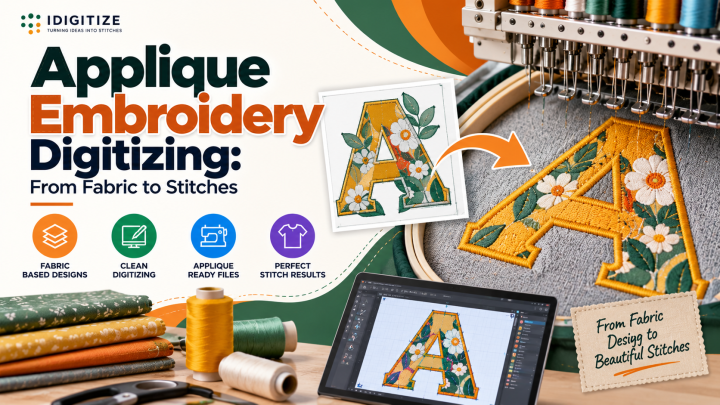
Fabric becomes part of the design itself in applique embroidery, but it needs carefully planned stitches to hold, shape, and finish it. With our Professional applique digitizing Services, we turn your artwork into instructions for fabric placement, tack down stitching, borders, and decorative embroidery. Applique Embroidery Digitizing brings these elements together in the correct sequence so an embroidery machine can build the design step by step.
At iDigitize, we prepare applique designs by considering both fabric and thread. If you also need artwork prepared for other embroidery applications, our embroidery digitizing services can support designs that rely more heavily on stitched areas. For applique, however, we focus specifically on how fabric sections interact with placement lines, securing stitches, borders, and the base material.
𝗛𝗼𝘄 𝗗𝗼𝗲𝘀 𝗙𝗮𝗯𝗿𝗶𝗰 𝗕𝗲𝗰𝗼𝗺𝗲 𝗣𝗮𝗿𝘁 𝗼𝗳 𝗮𝗻 𝗘𝗺𝗯𝗿𝗼𝗶𝗱𝗲𝗿𝗲𝗱 𝗗𝗲𝘀𝗶𝗴𝗻?
Applique uses pieces of fabric to create selected areas of an embroidered design.
Instead of filling every large section with thread, the applique material provides the main surface for some shapes. Embroidery stitches then position, secure, and finish those fabric pieces.
A basic applique sequence can include:
-
A placement stitch
-
Positioning the applique fabric
-
A tack down stitch
-
Trimming where required
-
A finishing border
-
Additional embroidered details
The exact construction can change depending on the artwork and applique style, but these stages explain why applique requires a specially prepared embroidery file.
𝗦𝘁𝗮𝗴𝗲 𝟭: 𝗪𝗲 𝗗𝗲𝗰𝗶𝗱𝗲 𝗪𝗵𝗶𝗰𝗵 𝗔𝗿𝗲𝗮𝘀 𝗪𝗶𝗹𝗹 𝗨𝘀𝗲 𝗙𝗮𝗯𝗿𝗶𝗰
Not every section of an applique design needs to be made from fabric.
We first study the artwork and identify the shapes that are suitable for applique. Larger, clearly defined areas can often work well because they provide enough room for fabric placement and edge finishing.
Small lettering, narrow lines, or detailed elements may work better as regular embroidery depending on the design.
This decision is important because the digitized file needs to separate fabric areas from stitched areas.
With Applique Embroidery Digitizing, we are not simply tracing every visible line. We are deciding how each visual element should be constructed during embroidery.
𝗦𝘁𝗮𝗴𝗲 𝟮: 𝗪𝗲 𝗖𝗿𝗲𝗮𝘁𝗲 𝘁𝗵𝗲 𝗣𝗹𝗮𝗰𝗲𝗺𝗲𝗻𝘁 𝗟𝗶𝗻𝗲
The placement stitch tells the operator where the applique material belongs.
It is normally stitched onto the base fabric before the applique piece is positioned. This creates a visible guide showing the required shape and location.
A placement line needs to follow the intended fabric area clearly.
If a design contains several applique sections, each one may need its own placement stage. Their order must also make sense within the complete embroidery sequence.
This is where careful planning begins to turn flat artwork into a practical production file.
𝗦𝘁𝗮𝗴𝗲 𝟯: 𝗧𝗵𝗲 𝗔𝗽𝗽𝗹𝗶𝗾𝘂𝗲 𝗙𝗮𝗯𝗿𝗶𝗰 𝗜𝘀 𝗣𝗼𝘀𝗶𝘁𝗶𝗼𝗻𝗲𝗱
After the placement line is stitched, the applique material can be positioned over the marked area.
The fabric needs to cover the placement shape with enough material available for the intended construction method.
This stage explains why fabric choice matters.
The applique piece becomes a visible part of the finished design, so its texture, thickness, stability, and appearance can influence the overall embroidery.
When you send a project for Professional applique digitizing Services, information about the intended fabric helps us understand how the design is expected to be produced.
𝗦𝘁𝗮𝗴𝗲 𝟰: 𝗪𝗲 𝗔𝗱𝗱 𝘁𝗵𝗲 𝗧𝗮𝗰𝗸 𝗗𝗼𝘄𝗻 𝗦𝘁𝗶𝘁𝗰𝗵
Once the fabric is positioned, it needs to stay in place.
The tack down stitch secures the applique material to the base fabric. It follows the required shape and holds the fabric before the final edge treatment is completed.
Placement and tack down stitches have different jobs:
Placement stitch: shows where the fabric should go.
Tack down stitch: secures the fabric after it has been positioned.
This distinction is fundamental to Applique Embroidery Digitizing because the machine file needs to guide both stages in the right order.
𝗦𝘁𝗮𝗴𝗲 𝟱: 𝗘𝘅𝗰𝗲𝘀𝘀 𝗙𝗮𝗯𝗿𝗶𝗰 𝗖𝗮𝗻 𝗕𝗲 𝗧𝗿𝗶𝗺𝗺𝗲𝗱
Some applique methods require excess fabric to be trimmed after the tack down stage.
The operator cuts around the secured applique area, leaving the fabric inside the intended design shape.
This step requires a clear tack down path because it helps define the area that should remain.
Other applique production methods may use pre cut fabric pieces, so the exact workflow can differ.
For this reason, it is useful to tell us how you intend to produce the applique when submitting your artwork.
𝗦𝘁𝗮𝗴𝗲 𝟲: 𝗪𝗲 𝗣𝗹𝗮𝗻 𝘁𝗵𝗲 𝗙𝗶𝗻𝗶𝘀𝗵𝗶𝗻𝗴 𝗕𝗼𝗿𝗱𝗲𝗿
The border is one of the most visible parts of many applique designs.
It can help cover the edge of the applique material and define the final shape. Depending on the intended style, the edge treatment can look clean and covered or deliberately more exposed.
A satin style edge is commonly associated with a smooth, enclosed applique finish. Other designs may use zigzag or raw edge treatments.
The correct choice depends on the intended appearance.
Our Applique Embroidery Digitizing process considers the relationship between the fabric edge and the finishing stitches rather than treating the border as a decorative line added at the end.
𝗠𝘂𝗹𝘁𝗶 𝗟𝗮𝘆𝗲𝗿 𝗔𝗽𝗽𝗹𝗶𝗾𝘂𝗲 𝗡𝗲𝗲𝗱𝘀 𝗖𝗮𝗿𝗲𝗳𝘂𝗹 𝗦𝗲𝗾𝘂𝗲𝗻𝗰𝗶𝗻𝗴
Some designs contain more than one applique fabric section.
Imagine a design with a large fabric background shape and a smaller fabric shape positioned over it. The embroidery file needs to control which piece is placed first and when each tack down and finishing stage occurs.
The order might involve:
-
First fabric placement
-
First tack down
-
Second fabric placement
-
Second tack down
-
Border stitching
-
Additional embroidered details
Poor sequencing can make a multi layer design unnecessarily difficult to produce.
Planning the sequence before production gives each fabric section a clear place within the embroidery process.
𝗪𝗵𝘆 𝗦𝗶𝘇𝗲 𝗖𝗵𝗮𝗻𝗴𝗲𝘀 𝗛𝗼𝘄 𝗪𝗲 𝗣𝗿𝗲𝗽𝗮𝗿𝗲 𝗔𝗽𝗽𝗹𝗶𝗾𝘂𝗲
Final embroidery size is important because fabric pieces, borders, and small details all need physical space.
A large applique design can provide enough room for broad fabric sections and additional embroidered details. A much smaller design gives those same elements less room.
Simply shrinking a large design may therefore create fabric sections or details that are difficult to reproduce at the new size.
When preparing Applique Embroidery Digitizing, we need the intended dimensions so the file can be planned around the actual production size rather than an unknown scale.
𝗕𝗮𝘀𝗲 𝗙𝗮𝗯𝗿𝗶𝗰 𝗮𝗻𝗱 𝗔𝗽𝗽𝗹𝗶𝗾𝘂𝗲 𝗙𝗮𝗯𝗿𝗶𝗰 𝗔𝗿𝗲 𝗡𝗼𝘁 𝘁𝗵𝗲 𝗦𝗮𝗺𝗲 𝗧𝗵𝗶𝗻𝗴
An applique project can involve two important materials.
Base fabric is the garment or material receiving the embroidery.
Applique fabric is the separate piece added to create part of the design.
For example, an applique design may be stitched onto a sweatshirt while another fabric is used inside the applique shape.
Knowing both materials provides useful production context.
This becomes especially important when the materials have noticeably different thickness, stretch, or surface characteristics.
𝗠𝗶𝘀𝘁𝗮𝗸𝗲𝘀 𝘁𝗼 𝗔𝘃𝗼𝗶𝗱 𝗕𝗲𝗳𝗼𝗿𝗲 𝗔𝗽𝗽𝗹𝗶𝗾𝘂𝗲 𝗣𝗿𝗼𝗱𝘂𝗰𝘁𝗶𝗼𝗻
A few common issues can make applique harder to produce than necessary.
Not providing the final size: We need dimensions to understand how much room is available.
Using overly complicated fabric shapes: Tiny corners and narrow fabric sections can make placement and trimming more demanding.
Ignoring the border: The finishing edge is part of the design and should be considered during digitizing.
Not identifying multiple fabric sections: Multi layer designs require a logical placement sequence.
Leaving out fabric information: The base material and applique material provide useful context.
Not confirming the machine format: The final embroidery file should match the production setup.
Good Applique Embroidery Digitizing considers these points before the machine begins stitching.
𝗪𝗵𝗮𝘁 𝗦𝗵𝗼𝘂𝗹𝗱 𝗬𝗼𝘂 𝗦𝗲𝗻𝗱 𝗨𝘀?
You do not need to create embroidery instructions yourself. You do need to provide enough information for us to understand the intended result.
We recommend sending:
-
Clear artwork
-
Exact embroidery dimensions
-
Base fabric or garment
-
Intended applique fabric
-
Preferred applique style
-
Required embroidery file format
-
Important color information
-
Any special instructions about fabric sections
For Professional applique digitizing Services, these details help us understand how your artwork needs to move from a visual design to an embroidery production file.
𝗙𝗿𝗼𝗺 𝗙𝗮𝗯𝗿𝗶𝗰 𝗣𝗶𝗲𝗰𝗲𝘀 𝘁𝗼 𝗮 𝗥𝗲𝗮𝗱𝘆 𝗘𝗺𝗯𝗿𝗼𝗶𝗱𝗲𝗿𝘆 𝗙𝗶𝗹𝗲
At IDigitize, our Applique Embroidery Digitizing process connects fabric placement with the stitches needed to secure and finish the design. We plan placement lines, tack down stitching, fabric sections, borders, sequence, and embroidered details around the intended size and application.
If you have applique artwork ready, send us the design together with its final dimensions, fabric information, preferred applique style, and required machine format. Clear production details help us prepare a file around the way you intend to embroider the design.
𝗙𝗿𝗲𝗾𝘂𝗲𝗻𝘁𝗹𝘆 𝗔𝘀𝗸𝗲𝗱 𝗤𝘂𝗲𝘀𝘁𝗶𝗼𝗻𝘀
𝗪𝗵𝗮𝘁 𝗶𝘀 𝘁𝗵𝗲 𝗽𝘂𝗿𝗽𝗼𝘀𝗲 𝗼𝗳 𝗮 𝗽𝗹𝗮𝗰𝗲𝗺𝗲𝗻𝘁 𝘀𝘁𝗶𝘁𝗰𝗵 𝗶𝗻 𝗮𝗽𝗽𝗹𝗶𝗾𝘂𝗲?
A placement stitch shows where the applique fabric needs to sit on the base material. It creates a visible outline before the applique piece is positioned. After the fabric is placed over this area, a separate tack down stitch can secure it before trimming or finishing.
𝗪𝗵𝗮𝘁 𝗶𝘀 𝘁𝗵𝗲 𝗱𝗶𝗳𝗳𝗲𝗿𝗲𝗻𝗰𝗲 𝗯𝗲𝘁𝘄𝗲𝗲𝗻 𝗽𝗹𝗮𝗰𝗲𝗺𝗲𝗻𝘁 𝗮𝗻𝗱 𝘁𝗮𝗰𝗸 𝗱𝗼𝘄𝗻 𝘀𝘁𝗶𝘁𝗰𝗵𝗲𝘀?
The placement stitch marks where the applique fabric should go. The tack down stitch comes after placement and secures the fabric to the base material. Both are important, but they perform different jobs within the applique embroidery sequence.
𝗗𝗼𝗲𝘀 𝗔𝗽𝗽𝗹𝗶𝗾𝘂𝗲 𝗘𝗺𝗯𝗿𝗼𝗶𝗱𝗲𝗿𝘆 𝗗𝗶𝗴𝗶𝘁𝗶𝘇𝗶𝗻𝗴 𝗿𝗲𝗾𝘂𝗶𝗿𝗲 𝗳𝗮𝗯𝗿𝗶𝗰 𝗶𝗻𝗳𝗼𝗿𝗺𝗮𝘁𝗶𝗼𝗻?
Fabric information is useful because applique combines the base material with an additional fabric piece. Telling us about the intended materials gives us better context for the project, especially when planning the applique areas, borders, and overall embroidery construction.
𝗖𝗮𝗻 𝗼𝗻𝗲 𝗱𝗲𝘀𝗶𝗴𝗻 𝗵𝗮𝘃𝗲 𝗺𝘂𝗹𝘁𝗶𝗽𝗹𝗲 𝗮𝗽𝗽𝗹𝗶𝗾𝘂𝗲 𝗳𝗮𝗯𝗿𝗶𝗰𝘀?
Yes. An applique design can contain multiple fabric sections or layers. Each section needs to be placed and secured in the correct order. Multi layer designs therefore require careful sequencing so the placement, tack down, border, and decorative stitching stages remain organized.
𝗪𝗵𝗮𝘁 𝘀𝗵𝗼𝘂𝗹𝗱 𝗜 𝗽𝗿𝗼𝘃𝗶𝗱𝗲 𝗳𝗼𝗿 𝗮𝗻 𝗮𝗽𝗽𝗹𝗶𝗾𝘂𝗲 𝗱𝗶𝗴𝗶𝘁𝗶𝘇𝗶𝗻𝗴 𝗼𝗿𝗱𝗲𝗿?
Send us clear artwork, the exact finished dimensions, information about the base and applique fabrics, your intended applique style, and the embroidery file format you need. You should also identify important colors, layers, or fabric sections that need specific treatment