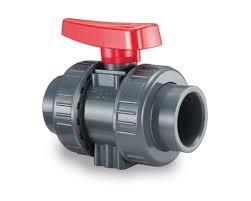
Why Select fy-valve Ball Valve Instead of Traditional Valve Des
-
In fluid control systems, selecting the appropriate valve type plays a crucial role in maintaining stable operation and efficiency, especially when considering options such as the Ball Valve offered by fy-valve. Different working conditions require different solutions, and understanding when one design is preferred over another can help avoid unnecessary complications. So, when should you choose this type of valve instead of a gate-based design?
One of the most important factors lies in the need for quick and reliable shutoff. This type of valve operates through a rotating ball with a central bore, allowing fluid to pass when aligned and stopping flow instantly when turned. This simple motion makes it highly suitable for systems where immediate control is required, especially in situations that demand frequent operation without compromising sealing performance.
Another consideration involves the nature of the application environment. In pipelines where flow must be controlled rapidly or where space is limited, compact designs offer a practical advantage. The structure allows for smooth operation even after repeated use, which is particularly valuable in automated systems or installations that rely on consistent responsiveness. In contrast, other valve types often require longer actuation time and may not provide the same level of convenience in dynamic conditions.
Durability is also an important aspect when making a selection. With fewer moving components and a straightforward internal mechanism, this valve design tends to maintain stable performance over extended periods. It is capable of handling varying pressure conditions while preserving tight sealing, which contributes to system reliability. In demanding environments, this stability can support continuous operation without frequent adjustments.
Another advantage can be seen in maintenance considerations. The design allows for easier inspection and servicing compared to more complex alternatives. Since the sealing surfaces are protected during operation, wear is reduced, and the need for frequent intervention is minimized. This helps maintain operational continuity and reduces unexpected downtime in industrial processes.
Material compatibility also plays a role in determining suitability. Different materials can be selected based on the characteristics of the fluid, including temperature and chemical properties. This flexibility ensures that the valve can function effectively across a wide range of applications, from clean water systems to industrial processing lines.
Despite its advantages, it is important to recognize that each valve type serves a specific purpose. While this design excels in shutoff performance and operational convenience, other options may still be appropriate for applications that require gradual flow regulation. Therefore, understanding the specific needs of a system is essential when making a decision.
Engineers and project planners often evaluate factors such as operation frequency, pressure conditions, and installation environment before selecting a suitable solution. By aligning these factors with the characteristics of the valve, it becomes possible to achieve a balance between performance and practicality.
For those seeking dependable flow control options, visiting https://www.fy-valve.com/product/ball-valves/ provides access to a range of products designed for diverse industrial needs. Through thoughtful engineering and application focused design, the Ball Valve continues to play a significant role in supporting stable and efficient fluid systems.