Practical Checks for a Smarter Packaging Equipment Purchase
Posted by cenwan cenwan
Filed in Other 4 views
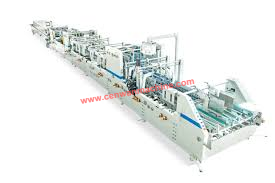
The production manager watches a stack of corrugated blanks move across the workshop floor, wondering whether a new High Speed Folder Gluer will actually suit the orders arriving each week. The sales brochure looks convincing, but the real decision depends on the cartons, working conditions, and expectations of the people operating the equipment. How can a buyer judge whether a machine is the right investment rather than simply an attractive offer?
A sensible purchase begins with a clear picture of the work the machine will handle. Some packaging businesses mainly produce familiar box styles for established customers, while others receive changing orders with different folding requirements. These situations call for different purchasing priorities. Before contacting suppliers, review recent production orders and identify the carton types that appear regularly. Consider which jobs are difficult to complete consistently with existing equipment, and which processes create delays during busy periods. This information gives a supplier something practical to evaluate instead of relying on a broad description of the business.
It is worth preparing actual carton samples before comparing machines. Product descriptions can make different models sound similar, yet their suitability may become clearer when the supplier examines the blanks and finished box requirements. Ask whether the proposed equipment can handle the carton styles that matter to your production schedule. Include ordinary repeat orders as well as less frequent jobs that your business still needs to accept. A machine that handles one demonstration sample should not automatically be assumed suitable for every order. Buyers should request a clear explanation of any limitations before making a commitment.
During a supplier discussion, pay attention to how questions are answered. A reliable supplier should ask about the packaging operation rather than immediately recommending a particular model. Explain the type of work, expected order patterns, available floor space, and the way products move through the workshop. If the supplier does not understand these conditions, the recommendation may be based on incomplete information. I would also ask which details need confirmation before an order is placed. A careful conversation at this stage can prevent misunderstandings about the machine's intended application later.
A factory demonstration deserves more attention than a polished presentation. If possible, arrange a trial using your own carton blanks or samples that closely represent regular production. Watch how the sheets enter the machine, how they move through the working process, and how the finished boxes are collected. Listen for unusual interruptions and observe whether operators need to make repeated adjustments. The important question is not whether a demonstration looks impressive for a short period. It is whether the equipment can handle the kind of work your business expects to run in ordinary production conditions.
Ask the supplier to explain the trial results in practical terms. If a sample does not run as expected, find out why and whether an adjustment or different configuration is needed. Do not accept vague assurances when a specific carton requirement remains unresolved. It is also useful to ask how changeovers are handled when production moves from one order to another. A packaging workshop may have several jobs waiting, and unnecessary preparation can affect the day's schedule. Understanding the process helps buyers judge whether the proposed machine fits the actual rhythm of the factory.
Price deserves careful consideration, but the lowest quotation is not always the most economical purchase. Compare what each offer includes, such as installation arrangements, operator guidance, spare parts, and after-sales assistance. Ask for written clarification when a quotation uses broad descriptions that could be interpreted in different ways. Buyers should also understand which services are available after the equipment has been delivered. A supplier's willingness to explain these details can reveal how prepared they are to support the customer beyond the initial transaction.
Support arrangements matter because production equipment becomes part of a wider operation. If a problem occurs, the business needs to know whom to contact and what information will help resolve it. Ask how technical questions are handled, whether remote assistance is available, and how replacement components can be arranged when required. It is useful to discuss operator training as well. Even experienced workers need clear instructions when a new machine is introduced. A practical handover can help the team become familiar with normal operation and reduce avoidable confusion during the early production period.
Another point worth checking is the supplier's experience with packaging applications similar to yours. Ask for examples of relevant installations or customer cases, while remembering that another factory's requirements may not match your own. The purpose is to understand whether the supplier has dealt with comparable production challenges and can explain the decisions involved. Notice whether answers remain consistent when you discuss samples, operating conditions, and service arrangements. Clear communication is particularly valuable when the purchase involves custom requirements or several people from your company need to approve the equipment.
Before confirming an order, put the agreed requirements into writing. The document should identify the intended carton applications, confirmed machine configuration, delivery expectations, installation responsibilities, and support arrangements. Review the details with the production team as well as the purchasing department. Operators may notice practical concerns that are easy to overlook during commercial discussions, such as access for routine work or the space needed around the machine. Resolving these questions before delivery is usually easier than trying to reorganize a busy workshop after installation.
A good buying decision comes from matching evidence with the needs of the business, not from choosing the longest specification sheet or the most persuasive sales presentation. Take time to compare real samples, ask direct questions, and confirm what the supplier has agreed to provide. When your packaging operation is ready to assess a https://www.cenwanmachine.com solution, consider how a high speed folder gluer fits your regular carton orders, production plans, and support expectations. CenWan offers buyers a starting point for discussing folder gluing equipment with their actual packaging requirements in mind.