What Role Does Fire-Rated Glass Play in Entrance Fire Doors
Posted by zjchenma zjchenma
Filed in Other 1 view
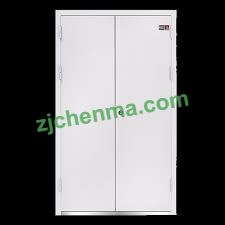
Builders and facility managers often examine Entrance Fire Door options available through zjchenma when specifying openings that must resist fire spread while serving daily access needs. The door leaf, frame, core fillers, seals and hardware each contribute distinct properties that determine how the complete assembly behaves when exposed to elevated temperatures. Steel skins provide structural stability and non-combustible outer surfaces while internal mineral or treated-wood cores limit heat transfer across the panel. Intumescent strips fitted along the edges remain inactive at normal temperatures yet expand when heated to close gaps and block passage of flames and hot gases. Selection of each component follows tested combinations rather than isolated material choices so that the finished unit carries a verified rating. What combination of these elements produces reliable containment at a building entrance?
Steel forms the outer faces of many entrance units because it maintains integrity under heat and resists deformation that could open gaps. Sheets of specified thickness are pressed or formed around a core and joined at the edges to create a rigid leaf. The same material frequently appears in the frame that surrounds the leaf so that the entire opening protective system expands and contracts at similar rates. Non-combustible packing between the frame and the structural opening further isolates the assembly from the surrounding wall construction. Surface finishes applied to the steel can include powder coatings or paint systems formulated to remain stable during fire exposure without releasing excessive smoke.
Treated timber offers an alternative outer appearance preferred in residential or heritage settings where visual continuity with adjacent joinery is required. The timber receives chemical impregnation or surface treatments that reduce its contribution to combustion and limit charring rates. When paired with a mineral core the leaf still achieves the necessary resistance period while presenting a wood finish that accepts conventional stains or paints. Frame sections may also use treated timber provided the complete doorset has been tested together and the installation follows the manufacturer's evidence. Care is taken during fabrication to avoid voids that could allow heat to bypass the protective layers.
Mineral cores occupy the interior space of the leaf and serve as the primary thermal barrier. Materials such as calcium silicate, vermiculite or rock-wool based boards absorb heat and slow its passage to the unexposed face. These boards are cut to fill the cavity completely so that no continuous air path exists through the thickness of the door. Density and thickness of the core are matched to the required rating during the original fire test so that the assembly continues to meet the acceptance criteria for temperature rise and integrity. Additional layers of gypsum or similar boards may be included in higher-rated constructions to extend the period of resistance.
Intumescent materials appear as strips or coatings along the meeting edges of the leaf and frame. At ambient temperatures they remain flexible and allow normal operation of the door. Once the temperature reaches the activation point the material swells to many times its original volume and forms a dense char that seals the perimeter against flame and smoke. Smoke seals of brush or fin design often run alongside the intumescent strips to control cold smoke movement before the temperature rises high enough to activate the intumescent. Both types of seal must remain free of paint and mechanical damage so that they can perform when needed.
Hardware components including hinges, latches and closers are manufactured from materials that retain strength at elevated temperatures. Hinges are typically steel and supplied in quantities that match the weight and height of the leaf according to the tested configuration. The closer body and arm are designed to return the door to the fully closed and latched position after every opening so that the protective barrier is restored automatically. Latch bolts and strike plates engage positively to resist the pressure differences that develop across a fire-exposed opening. All these items carry markings that confirm they formed part of the original tested assembly.
Glazing, when included for vision or light transmission, consists of fire-rated glass that has been tested within the same doorset. The glass is held in place by beads and intumescent gaskets that expand under heat and maintain the integrity of the opening. Clear or wired variants are selected according to the required integrity and insulation performance. The size and location of any vision panel remain within the limits established during certification so that the overall rating of the entrance unit is preserved.
Installation materials such as fire-resistant foam, mineral wool packing and intumescent mastics fill the gaps between the frame and the surrounding construction. These products prevent passage of fire and smoke around the outside of the frame and complete the compartmentation line. Correct application according to the doorset manufacturer's instructions ensures that the tested performance extends from the leaf through to the wall. Regular inspection confirms that these packing materials remain in place and free from disturbance by later trades.
Surface treatments and edge protectors applied during manufacture protect the core materials from moisture and mechanical damage during transport and installation. Once the door is in service the same attention to surface condition helps maintain the integrity of the seals and the stability of the leaf. Any repairs or modifications must follow procedures that have themselves been tested so that the original rating is not compromised. Documentation supplied with each unit records the materials and the test evidence that supports the claimed performance.
Teams responsible for specification and procurement can review the full range of material options and supporting technical data presented at https://www.zjchenma.com/product when preparing schedules for Entrance Fire Door installations that draw on the product information available through zjchenma.