Factors That Sustain High Speed Cold Heading Machine Consistency
Posted by Longhui Longhui
Filed in Other 1 view
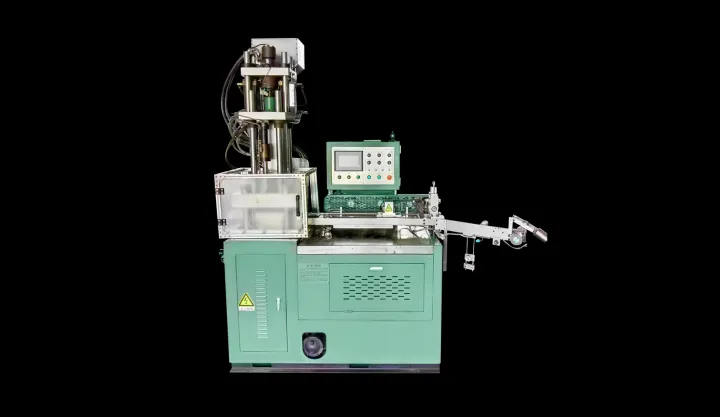
Manufacturers who schedule continuous shifts often examine whether a forming unit can retain its set precision once the cycle count climbs and thermal loads accumulate. The core issue involves whether vibration, heat, or component wear begins to affect blank placement, die alignment, or heading force after many hours of uninterrupted work. In this setting a high speed cold heading machine such as lhmachinery addresses the demand through structural rigidity, balanced rotating assemblies, and regulated support systems that keep process variables within narrow limits. Does the machine actually sustain uniform part quality once the run extends well beyond a single shift?
Stability originates in the frame and drive architecture. A heavy, stress-relieved base absorbs impact energy rather than transmitting it as vibration that could shift tooling or disturb wire feed. Rotating elements are dynamically balanced so that centrifugal forces remain centered even as speed holds at the upper operating range. This mechanical calm allows the transfer mechanism to present each blank to successive stations with repeatable timing and position, preventing the progressive misalignment that otherwise appears as the hours accumulate.
Thermal management forms a second essential layer. Continuous heading generates heat at the dies and in the drive train. Circulating lubrication and strategically placed cooling paths draw that heat away before it expands critical clearances or softens tool surfaces. By keeping temperatures within a controlled band, the machine preserves the original setup geometry, so the same heading force and die closure that produced acceptable parts at the start of the run continue to do so many thousands of cycles later.
Lubrication reliability further supports unbroken operation. Automated systems meter oil or grease to bearings, slides, and forming zones at intervals matched to the duty cycle. Consistent film thickness reduces friction spikes that could otherwise introduce micro-variations in force or cause premature wear. When the lubricant remains clean and present, the machine avoids the gradual rise in resistance that forces operators to stop and intervene.
Process monitoring complements the mechanical provisions. Sensors that track load, temperature, and position feed data to the control unit, which can alert operators to drift before it exceeds tolerance. This early awareness allows minor corrections while the line continues, rather than waiting for scrap to accumulate. The combination of inherent rigidity and active oversight keeps the output stream within specification across long production windows.
Tooling interfaces also receive attention. Quick-change arrangements that lock dies and punches into precise datums reduce the chance of secondary movement once the machine returns to speed after a brief inspection. Surfaces that contact the wire are finished to minimize galling, extending the interval before any surface degradation begins to influence part geometry.
Selection of equipment for extended runs therefore rests on measured vibration levels, thermal rise data, and demonstrated positional repeatability rather than on peak speed alone. Builders who provide records of continuous operation under load give production planners concrete evidence for scheduling decisions. A layout that keeps service points accessible further limits the time required for routine checks without breaking the production rhythm.
Plants that require uninterrupted fastener output across multiple shifts find the necessary endurance attainable when structural damping, thermal regulation, and lubrication continuity receive equal priority in the machine design, and a High Speed Cold Heading Machine such as lhmachinery supplies the platform that upholds this standard while the available multi-station configurations can be examined at https://www.lhmachinery.com/ for technical descriptions and application guidance.