Can a Faulty Solenoid Prevent an Excavator Starter from Engaging
Posted by kstmotor kstmotor
Filed in Other 0 views
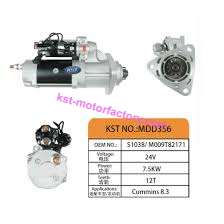
What Causes an Excavator Starter to Spin Without Engaging the Flywheel?
When an excavator engine refuses to start while the starting motor produces a fast spinning or whirring sound, the problem may involve the connection between the starter drive and the engine flywheel. This condition can occur when the pinion gear fails to move into the correct position, the overrunning clutch cannot transmit torque, or the engagement mechanism does not operate as intended. For construction equipment owners searching for a dependable Excavator Starter, understanding these mechanical details is essential. KST, through kst-motorfactory, provides starter motors and electrical components for heavy-duty vehicles and construction machinery. What should operators know when the starter rotates but the engine remains still?
Understanding the Starter and Flywheel Engagement Process
An excavator starter is an electric motor designed to rotate the engine crankshaft during the starting process. When the operator turns the ignition key, the starting circuit activates the solenoid switch. The solenoid moves the starter drive mechanism toward the flywheel and connects the main electrical contacts, allowing the motor to generate rotational force.
The pinion gear at the front of the starter then engages with the ring gear mounted around the engine flywheel. Once the teeth mesh correctly, the starter transfers torque to the flywheel, turning the crankshaft and allowing the diesel engine to begin its combustion cycle.
After the engine starts, the starter drive must disengage. The overrunning clutch helps prevent the running engine from driving the starter motor at excessive speed. This coordinated movement is important because the starter and engine operate at different speeds during different stages of the starting process.
If the starter motor rotates but the flywheel does not move, the electrical motor may still be functioning. The fault is often located in the mechanical engagement system or its control mechanism. Identifying the exact source is important before replacing the complete assembly.
Common Reasons for Failed Flywheel Engagement
Worn or damaged pinion gear teeth
The pinion gear is responsible for connecting the starter motor to the flywheel ring gear. Repeated engagement cycles, poor alignment, and long-term mechanical wear can gradually damage its teeth. If the gear teeth become rounded, chipped, or broken, the pinion may rotate without transmitting sufficient force to the flywheel.
The condition of the flywheel ring gear should also be checked. A damaged ring gear can prevent proper engagement even when the starter pinion appears to be in acceptable condition. In some cases, the damage is concentrated in particular sections of the ring gear because the engine frequently stops in similar crankshaft positions.
Replacing a starter without inspecting the corresponding flywheel gear may allow the same problem to return. Both components should therefore be evaluated before deciding which part requires repair or replacement.
A defective overrunning clutch
The overrunning clutch is another important component in the starter drive assembly. It transfers rotational force from the starter shaft to the pinion while allowing the engine to rotate independently after starting.
When the clutch becomes worn or damaged, the starter may spin freely even though the pinion appears to move toward the flywheel. Internal roller or spring damage, worn clutch surfaces, and other mechanical defects can prevent the assembly from transmitting torque under load.
This fault can be difficult to identify through sound alone. A starter that produces a high-speed whirring noise may have a slipping clutch rather than a completely retracted pinion. Inspection of the drive assembly and appropriate testing are necessary to distinguish these conditions.
Solenoid or shift mechanism problems
The solenoid does not simply switch electrical current on and off. It also operates the mechanism that moves the pinion gear into engagement with the flywheel. If the solenoid plunger sticks, the internal contacts are damaged, or the shift linkage becomes worn, the pinion may fail to travel far enough.
Loose connections, damaged control wiring, and insufficient voltage can also affect solenoid operation. A weak electrical signal may prevent the engagement mechanism from completing its movement, even if the starter motor receives enough current to rotate.
Checking the control circuit, solenoid movement, and mechanical linkage can help determine whether the problem originates in the electrical system or the drive assembly.
Electrical Conditions That Can Affect Engagement
Although free spinning is often associated with mechanical faults, electrical conditions should not be overlooked. A weak battery, corroded terminals, loose ground connections, and damaged cables can reduce the voltage available to the solenoid.
The starter system requires suitable electrical power for both motor rotation and proper engagement. If voltage drops excessively during activation, the solenoid may not complete its intended movement. The motor could rotate while the pinion fails to reach the correct position.
Operators and technicians should inspect the battery condition, cable connections, grounding points, and starter control circuit. Voltage-drop testing can help identify excessive resistance in the electrical path. Measurements should be compared with the specifications for the particular excavator and starter model.
Repeatedly turning the ignition key without investigating the cause is not recommended. Extended or repeated cranking can generate excessive heat, place additional stress on electrical contacts, and accelerate wear in the starter assembly.
How to Diagnose the Problem Correctly
A systematic inspection helps prevent unnecessary replacement costs and protects the surrounding engine components. Before checking the starter, technicians should follow the excavator manufacturer's safety instructions, isolate the electrical supply where required, and ensure that the machine cannot move unexpectedly.
The first step is to identify the exact symptom. A rapid spinning noise without engine rotation suggests that the motor is turning but torque is not reaching the flywheel. A grinding noise may indicate incorrect gear alignment or damaged teeth. A single click without motor rotation points toward a different set of possible electrical or mechanical faults.
The next step is to inspect the pinion gear and flywheel ring gear for visible damage. Technicians should also examine the starter mounting position because incorrect installation or loose fasteners can affect gear alignment. If the external gears appear normal, the drive assembly may need to be removed for inspection of the overrunning clutch, shaft splines, spring, and related components.
The solenoid and wiring should then be tested according to the equipment service procedure. A qualified technician can use electrical measurements and suitable bench-testing equipment to assess the starter's operation. Since excavator starter systems vary by engine and machine model, diagnosis should follow the relevant technical documentation rather than relying on a universal test value.
Selecting a Suitable Starter for Construction Machinery
Choosing a replacement starter involves more than comparing its external appearance. The rated voltage, power output, mounting dimensions, pinion specifications, rotation direction, and electrical connections must correspond to the intended engine application.
Excavators from different manufacturers may use different engine configurations and starter designs. Even machines within the same equipment family can require different starter specifications. Buyers should confirm the engine model and original equipment or replacement part number before placing an order.
Working conditions are another important consideration. Construction machinery often operates in environments with dust, vibration, changing temperatures, and repeated starting cycles. A starter intended for heavy-duty applications should be designed around the mechanical and electrical demands of its intended equipment.
KST specializes in starter motors and generators for heavy-duty vehicles and construction machinery. Its published product range includes construction vehicle starters for Denso, Hitachi, Nikko, Mitsubishi, Delco, Bosch, Valeo, Prestolite, Iskra, and Lucas series. The company also identifies applications involving equipment brands such as Komatsu, Caterpillar, Hyundai, Shantui, and Sumitomo. Buyers can use the available product categories to begin checking compatibility, while confirming the precise application with the relevant technical information.
A supplier's manufacturing experience, product identification process, quality control, and technical communication are also worth considering. KST states that it has engineering and technical personnel and can develop products according to customer drawings or samples. This capability is useful when buyers need to discuss a specific starter configuration or identify a replacement for an existing machine.
Reliable engine starting depends on the correct relationship between the motor, solenoid, drive gear, clutch, and flywheel. When one component fails to perform its role, the entire starting process can be interrupted. Equipment owners who understand these connections can communicate symptoms and replacement requirements with greater accuracy, while maintenance teams can focus their inspections on the parts most closely related to the fault.
For machinery operators, repair businesses, and parts distributors looking for a suitable Excavator Starter, KST provides a range of starter and alternator products for construction equipment and heavy-duty applications. Visitors can review product categories, compare available specifications, and contact the company about engine compatibility through https://www.kst-motorfactory.com/product, making it easier to identify a suitable starting system for the equipment they maintain or supply.