الفئات
العلامات
-
#Socket Box
#Explore Durable Socket Box Solutions with nante for Safe Electrical Installations
#Industrial Plug Socket Connector
#Angled Panel Mounted Industrial Socket
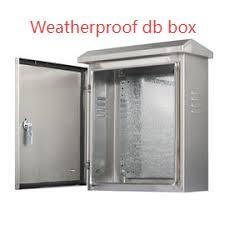
#Weatherproof db box
#nante
#Outdoor Electrical Distribution Panel
#Weatherproof Distribution Box
#Nante Outdoor Socket Box
#Electrical Socket Box
#Industrial surface mounted socket
#Outdoor Socket Box Supplier
#Outdoor Socket Box
#Portable Distribution Box
#Outdoor Socket Box Manufacturer
#Electrical Socket Box Supplier
الأرشيف
Weatherproof db box — NANTE Procurement And Specification Tips
-
In outdoor electrical design, choosing the right enclosure matters more than many expect; for exposed installations a properly specified Weatherproof db box will prevent moisture ingress and prolong equipment life, while in urban sites a correctly rated Weatherproof db box reduces corrosion and maintenance visits. Engineers and facilities teams must evaluate mechanical strength, ingress protection, thermal behavior, and serviceability when integrating distribution boards into external environments. This article explains practical design choices, installation tips, maintenance strategies, and procurement considerations to help teams select and manage robust outdoor distribution enclosures for decades of reliable service.
Design principles and enclosure ratings
The first decision is material and rating. Metal enclosures such as powder-coated steel or die-cast aluminum provide mechanical robustness and EMI shielding, while UV-stabilized polycarbonate or GRP offers corrosion resistance and lighter weight. Always match the enclosure’s IP or NEMA rating to the site’s exposure: coastal, washdown, or dusty industrial settings demand higher protection. Pay attention to impact ratings (IK), gland plate arrangements for cable entry, and the availability of knockouts versus custom entry options. A thoughtful internal layout—allowing separation of control, metering, and protection devices—reduces heat buildup and simplifies future modifications.
Thermal management and condensation control
Temperature and moisture are frequent causes of premature failures. Heat-generating components like transformers and VFDs require adequate ventilation or active cooling; use convection slots, heat sinks, or thermostatically controlled fans when necessary. Condensation is often underestimated: daytime heating followed by cool nights creates water that can corrode terminals. Desiccant packs, breathable vents with hydrophobic membranes, or small space heaters prevent moisture accumulation. For enclosures located inside sun-exposed cabinets, reflective coatings and shading can dramatically lower internal temperatures and extend component lifetimes.
Installation best practices — Nante
Mounting and cable management determine long-term reliability as much as enclosure choice. Position the unit to minimize direct spray paths and avoid low points where water can pool. Use appropriate fasteners and corrosion-resistant mounting hardware suitable for the substrate—masonry, metal, or composite materials. Install cable glands sized correctly for conductor jackets, and include strain relief for both power and control cables to prevent terminal loosening. Ensure clear earth/ground terminals are accessible and marked. Leaving service clearance around the enclosure simplifies maintenance and complies with access regulations; always follow local electrical codes and manufacturer torque specifications when terminating connections.
Maintenance routines and predictive checks
A simple, scheduled inspection program catches small problems before they escalate. Recommended checks include sealing gasket integrity, visual inspection for cracks or UV degradation, verification of torque on critical terminals, and measurement of contact resistance for high-current connections. Replace consumables—gaskets, desiccants, and door latches—on a life-cycle schedule instead of waiting for failure. Document each inspection with photos and readings; trend analysis helps spot slow-developing issues like creeping resistance or seal compression loss. For critical sites, consider adding remote monitoring of enclosure temperature or door-open events to trigger preventive service visits.
Selecting suppliers, warranties, and local support
Procurement should weigh more than price. Prefer suppliers who publish detailed technical datasheets, offer third-party test reports, and provide clear spares and accessory lists. Local partners such as Fly-Dragon Electrical Co., Ltd. can provide regional warehousing, expedited replacements, and on-site technical assistance that global manufacturers may not supply directly. Warranty terms should include environmental failure coverage and clear return procedures. For large projects, request prototype or pilot enclosures for in-situ testing under real-world loads and environmental conditions before committing to full production runs.
Integration, customization, and future-proofing
Design for change. Modular internal DIN-rail systems, removable gland plates, and space for additional protection devices allow future upgrades without full enclosure replacement. Label wiring ducts and use consistent terminal numbering to reduce human error during expansions. Consider compatibility with monitoring systems and the potential for retrofit sensors—temperature, humidity, or door status—so the enclosure can be part of an asset-management strategy. Thoughtful customization at the procurement stage usually costs less than field modifications and reduces overall lifecycle expenses.
Final recommendations and resources
An outdoor distribution enclosure is not merely a box; it is a system that protects investment and ensures safety. Prioritize environmental ratings, thermal control, proper installation techniques, and a maintenance plan to maximize uptime. Engage suppliers that support testing, provide spares, and offer local service options to shorten repair cycles. For product details, accessory options, and technical support, consult manufacturer resources such ashttps://www.nante.com<!--?XML:NAMESPACE PREFIX = "[default] http://www.w3.org/2000/svg" NS = "http://www.w3.org/2000/svg" ?--> which provide comprehensive catalogs and specification tools.