-
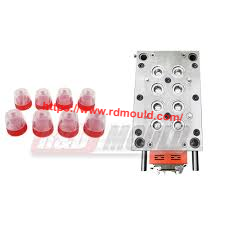
Cap Mould Manufacturer teams face constant pressure to keep cavity dimensions stable while tools remain in continuous service across many production cycles. At rdmould the process begins with careful examination of the intended resin, expected cavity count, and the injection machine that will receive the finished tool. Designers study flow paths, gate positions, and cooling routes so that heat moves evenly and residual stress stays low. Every decision at this stage aims to protect both the accuracy of the formed closure and the physical integrity of the steel itself. How can these early choices shape the entire life of the tool once it enters the factory floor?
Material selection forms the foundation of lasting performance. High-grade steels chosen for cavity and core blocks receive specific heat treatment that balances hardness against toughness. The treated surfaces resist wear from abrasive fillers sometimes present in packaging resins while still accepting fine polishing that supports clean release. Once the steel blocks arrive, high-speed machining centers and electrical discharge equipment shape the cavities under tight environmental control. Operators monitor temperature and vibration so that microscopic deviations never accumulate. After rough machining, stress-relief cycles remove internal tensions that could later distort critical sealing surfaces.
Cooling layout receives equal attention. Channels run close to the forming surfaces yet remain far enough from structural walls to avoid weakening the tool. Balanced flow rates keep temperature gradients small, which in turn limits differential expansion that might open gaps or create flash. When the design calls for multi-cavity arrangements, each cavity receives identical cooling capacity so that cycle times stay uniform and part weight remains consistent from one station to the next. Simulation software checks these paths before any metal is cut, allowing adjustments that later translate into smoother production.
Surface finishing further protects both precision and service duration. Cavities receive progressive polishing that removes machining marks without altering geometry. In areas where the closure must seal against a bottle neck, the finish reaches levels that prevent micro-leak paths. Some tools also receive specialized coatings that reduce friction during ejection, lowering the force required and thereby decreasing wear on moving components. Ejector systems themselves are designed with generous guidance and replaceable components so that daily operation does not gradually degrade alignment.
Assembly and try-out stages confirm that every theoretical advantage becomes practical reality. Fitters align plates, install hot-runner or cold-runner systems, and verify that all moving parts travel freely under load. Once the tool reaches the sampling press, technicians record cavity pressure, melt temperature, and cooling time across successive shots. Any deviation triggers immediate adjustment rather than acceptance of marginal results. Only after the tool produces a continuous sequence of acceptable closures does it leave the workshop.
Maintenance instructions travel with every completed tool. Clear schedules for cleaning, lubrication of slides, and inspection of wear surfaces help operators keep the original precision intact. Interchangeable core inserts allow rapid replacement of high-wear zones without dismantling the entire mould base, reducing downtime and protecting overall geometry. These practical measures turn theoretical longevity into measurable service life on the customer's production floor.
Throughout the entire sequence the focus remains on controlled processes rather than isolated features. Each stage builds upon the previous one so that the finished tool arrives ready for sustained output. Teams document every parameter, creating a reference that supports future identical tools or later modifications. This disciplined chain of decisions and checks is what allows closure tooling to deliver consistent dimensions month after month.
When production volumes rise or new closure styles appear, the same disciplined approach scales without sacrifice of accuracy. Design libraries of proven gate styles, cooling patterns, and ejection methods accelerate new projects while preserving the hard-won knowledge of earlier work. The result is a continuous improvement loop that benefits every subsequent tool.
Clients seeking detailed information on available designs and current projects can review the complete range of Cap Mould Manufacturer solutions at https://www.rdmould.com/ where technical specifications and application examples illustrate the practical outcome of these manufacturing principles. Ongoing communication between the design office and the production floor keeps each project aligned with real operating conditions, ensuring that the finished mould performs as intended once installed on the customer's press.