Why Does Yongxing Focus on Fabric Quality for Seamless Yoga Sets
Posted by yongxing yongxing
Filed in Other 3 views
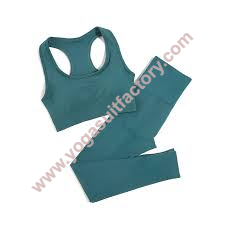
Fabric selection plays an essential role in determining how activewear feels and performs during physical activities. Different fibers contribute distinct characteristics, including elasticity, softness, breathability, and shape retention. For buyers exploring Seamless Yoga Sets, understanding these material differences can make product selection easier and help identify suitable clothing for different exercise preferences. As a professional activewear manufacturer, YogasuitFactory focuses on fabric selection and seamless garment development to support comfortable movement and attractive designs. But how do different fabric blends influence the flexibility and wearing experience of yoga clothing?
Nylon is widely used in activewear because of its smooth surface, abrasion resistance, and ability to maintain a close-fitting structure. When combined with elastic fibers, it creates a flexible textile that follows body movements without feeling excessively restrictive. Nylon-based blends are particularly suitable for leggings, sports bras, and fitted workout tops because they provide a balanced combination of softness and structural support. Their smooth texture also contributes to a comfortable feeling against the skin, which is valuable during stretching and repeated movements.
Spandex, also known as elastane, plays a different but equally important role. Its primary contribution is elasticity, allowing fabric to expand during movement and recover its original shape afterward. This property is particularly useful during yoga poses that involve deep bends, extended stretches, and changes in body position. When the elastic component is combined with nylon or polyester, the resulting material can provide a flexible fit while maintaining a stable garment structure. The final performance depends on fiber quality, knitting construction, and the balance between the blended materials.
Polyester offers another useful option for sportswear manufacturing. It is valued for its durability, relatively lightweight structure, and moisture-management characteristics. When combined with spandex, polyester can create activewear fabrics suitable for workouts involving continuous movement and perspiration. This combination is often considered for training tops, fitted leggings, and other sports garments that require flexibility alongside practical everyday performance. Nylon and polyester blends therefore serve different product preferences, depending on the desired surface texture, fabric weight, and intended activity.
Natural and regenerated fibers also contribute interesting qualities to contemporary yoga clothing. Cotton is appreciated for its familiar softness and natural feel, while bamboo-derived and other cellulose-based materials can provide a smooth texture and comfortable drape. However, these fibers behave differently from synthetic elastic materials when stretched repeatedly. Manufacturers often combine them with elastane or other functional fibers to create fabrics that balance skin comfort with movement flexibility. The appropriate blend depends on whether the garment is intended for gentle yoga, studio training, or daily casual wear.
Fabric composition alone does not determine how a garment stretches. Knitting technology also influences the direction, consistency, and recovery of elasticity. Seamless knitting allows manufacturers to develop garment structures with fewer conventional joining seams, creating a smooth wearing surface and reducing potential friction around movement areas. Different knitting patterns can also introduce targeted flexibility, textured surfaces, and supportive zones. By adjusting yarn selection and stitch structures, manufacturers can create clothing that accommodates different body movements while maintaining an attractive silhouette.
When selecting yoga clothing, buyers should consider how the fabric behaves during actual movement rather than judging softness through touch alone. A suitable material should stretch naturally without becoming loose after repeated use. Recovery is particularly important because clothing that remains stretched can gradually lose its original fit. Breathability and moisture management deserve attention as well, especially for individuals who participate in longer training sessions or activities involving frequent changes in intensity.
The garment's intended purpose should also influence material selection. Gentle yoga and stretching often call for soft fabrics that move comfortably with the body, while gym training may require a closer fit and supportive construction. High-stretch blends can accommodate dynamic movements, whereas fabrics with a softer drape may be suitable for relaxation and everyday styling. Waistband construction, garment thickness, knit density, and overall sizing should be considered alongside fiber composition to achieve a balanced wearing experience.
Design adds another dimension to fabric development. Different blends respond differently to dyeing, surface finishing, and textured knitting techniques, giving manufacturers opportunities to create varied colors and visual effects. Ribbed details, contour patterns, gradient colors, and carefully positioned knit textures can enhance the appearance of coordinated activewear. Matching tops and bottoms also create a unified outfit, allowing consumers to move between exercise sessions and casual activities without changing their overall style.
Yongxing focuses on the development and manufacturing of yoga clothing, including seamless activewear, sports bras, leggings, shorts, and jumpsuits. Its material selection includes nylon, Lycra, and spandex fabrics, while customization services support customer-specific logos and functional garment details. The company also emphasizes production inspections and fabric quality management throughout its manufacturing process. For retailers and wholesale buyers, these capabilities provide useful opportunities to explore different fabric combinations, product structures, and customized clothing concepts.
Choosing suitable activewear involves understanding the relationship between fiber characteristics, knitting methods, garment construction, and personal movement preferences. Buyers looking for coordinated workout clothing can explore different styles and material options according to their intended market and product requirements. For those interested in one-piece athletic designs, https://www.yogasuitfactory.com provides an opportunity to examine different silhouettes, fabric combinations, and styling details. From soft everyday outfits to flexible training apparel, Seamless Yoga Sets bring together material innovation, comfortable construction, and contemporary sportswear design, creating versatile options for modern active lifestyles.