CenWan Box Gluing Machine Steady Bond Strength Expla
Posted by cenwan cenwan
Filed in Other 30 views
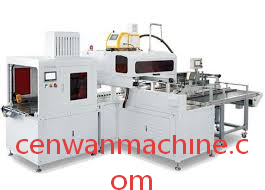
A customer opens a folded carton and the seam pops before the product ever meets the shelf, which is exactly the kind of failure that turns packaging from a quiet background task into a brand emergency. Bond strength decides whether a box protects or embarrasses, and on a modern Box Gluing Machine that strength is not a matter of luck but of controlled variables, from adhesive temperature to roller pressure, which is the question cenwanmachine engineers keep refining: how steady can a glued seam stay across a long production run?
Consistency begins with adhesive handling. Hot melt systems hold adhesive at a narrow temperature window so viscosity stays predictable, while metering wheels or spray nozzles lay down an even film measured in grams rather than guesses. When adhesive cools too far it skins over before the fold closes; when it runs too hot it bleeds through liners and weakens the lap. Precise thermostatic control, therefore, does silent work on every single carton.
What Holds a Seam Together
Paper behavior shapes the bond as much as adhesive does. Recycled board drinks adhesive into its fibers, coated stock resists absorption, and laminated surfaces need formulations that bite through films. A well built machine lets operators adjust pressure and dwell time so the adhesive wets the surface without crushing flute or creasing score lines. Skived edges, clean folds, and square corners all signal that mechanical alignment is feeding each blank into the nip at the same attitude, and that mechanical repeatability is what converts chemistry into reliability.
Speed tests consistency as well. Accelerating from warmup pace to full production can stretch adhesive films thin, and deceleration can deposit heavy beads that ooze in the stack. Servo driven feeders hold pitch steady through speed changes, so the seam that survives line one still passes inspection at line ten thousand. Vision systems add a second line of defense by rejecting cartons with skewed flaps before they reach the delivery pile.
Environment writes its own rules. Humid monsoon air slows water based adhesives, cold workshops thicken hot melts, and dust from die cutting contaminates lap surfaces. Operators who log room conditions beside machine settings build a history that explains mysteries no manual covers, and predictive cleaning of rollers keeps foreign film from ever touching a bond line.
Material batches complicate the picture further. Board from one supplier may carry higher moisture than an identical grade from another, and ink coverage over a glue flap can act as a release agent. Inline corona treatment or primer wheels restore surface energy where printing interferes, and test folds at the start of each batch catch drift before it multiplies. A carton that opens cleanly along its seam rather than tearing paper tells everyone that the bond line is doing its job.
Cold emulsion systems tell a parallel story. Water based adhesives forgive minor temperature swings yet demand open time matched to line speed, so tack rollers and compression belts must close the seam before the adhesive skins. PVA formulas bond porous board aggressively, while resin blends reach into coated surfaces, and choosing between them belongs to the product engineer rather than the purchasing spreadsheet. A machine that supports both chemistries gives a plant freedom to switch substrates without replacing capital equipment.
Quality programs turn steadiness into proof. Periodic burst tests, peel samples, and stack crush checks translate adhesive performance into numbers purchasing teams can trust, and retaining labeled samples from each shift lets a plant trace any field complaint back to a specific adhesive lot and temperature setting. Documentation this granular turns a Box Gluing Machine from an anonymous asset into a measured process.
Measurement turns opinion into evidence. Inline sensors that verify flap position, compression stations that time how long each seam stays under pressure, and periodic destructive testing together form a loop of confirmation. Statistical process control charts flag slow drift before it crosses tolerance, and cameras that photograph sample seams at fixed intervals build archives a quality manager can audit months later. Consistency, once defined this way, stops being a feeling and becomes a number the whole team can defend.
Tooling deserves equal respect. Worn folding hooks that flex under load produce inconsistent creases, and hardened adhesive on pressure rollers prints patterns into fresh seams. Scheduled inspection of belts, belts tracking, and rail alignment keeps every blank traveling the same path, because a deviation of a fraction of a millimeter at the feeder becomes a visible flaw at the counter ejector.
Buyers evaluating equipment can ask pointed questions about thermostatic stability, servo control on the feed, and the availability of inline inspection, and factories that welcome such questions usually answer them with data. cenwanmachine, for instance, subjects each Box Gluing Machine to seam strength sampling across its speed range before crating, treating bond consistency as a specification rather than a hope.
Training closes the loop. Operators who understand why temperature drifts matter watch gauges with sharper eyes, and maintenance crews who log every roller swap build manuals of their own. Software that stores recipes by board grade and box style lets a shift change resume production without rediscovery, and alerts that flag heater drift before it leaves tolerance prevent whole pallets from inheriting a weak seam.
Every popped seam has a signature, and disciplined production learns to read it. cenwanmachine builds its equipment around that discipline, pairing controlled adhesive systems with rigid mechanics so every carton leaves the delivery table holding the same promise. Buyers can explore the full range at https://www.cenwanmachine.com/ where specifications, application notes, and service details accompany each machine, and the support behind that catalog helps lines hold their bond standards long after installation day.