DongHai Explains Which Rubber Processing Additives Suit High Recycled Content
Posted by tzdhhg tzdhhg
Filed in Other 13 views
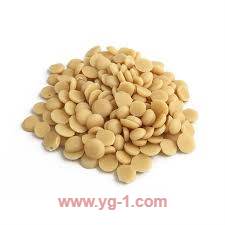
Recycled rubber has moved from a cost-saving filler to a legitimate component in serious compound design, driven by sustainability targets and raw material economics. Yet incorporating ground tire rubber, crumb rubber, or devulcanized material into a compound introduces processing difficulties that virgin rubber alone does not present. The material tends to be sticky, flows poorly, and disperses unevenly during mixing. Formulators turn to rubber processing additives to restore workable behavior, and DongHai has supplied such aids to rubber manufacturers since the mid-1980s. The question that matters in the mixing room is straightforward: which additive actually performs in a high-recycled-content system?
Where Recycled Rubber Creates Problems
Recycled rubber particles carry a different surface chemistry than virgin polymer, and they often retain residual crosslink structures that resist breakdown during mastication. The result is a compound with elevated viscosity, reduced green strength, and a tendency to adhere to mill rolls and mixing chamber walls. Scorch behavior can shift as well, since recycled material may contain residues from its original vulcanization system. These issues compound when recycled content rises above modest replacement levels, turning what works in a small trial into a production headache at scale.
Additives That Target Recycled Systems
Polymer-based processing aids built on trans-polyoctenamer chemistry have gained attention for recycled rubber applications specifically. These products reduce viscosity, improve filler and recycled particle dispersion, and decrease stickiness during processing . Evonik’s VESTENAMER CS10, for instance, is positioned exclusively for recycled rubber materials, with recommended dosage in the range of a few parts per hundred of recycled content . Fatty acid derivatives and zinc soaps also serve as peptizers and flow modifiers, though their selectivity toward specific rubber types and accelerator systems requires careful matching. DongHai’s Peptizer A60, a zinc soap of high-molecular-weight fatty acids, supports faster filler incorporation and shorter mixing cycles in natural rubber, which becomes relevant when recycled content is blended into NR-based compounds .
Matching Additive to Compound and Process
Selection depends on what the recycled component actually is. Ground tire rubber from passenger tires behaves differently from butyl stopper waste or devulcanized sheet. For extrusion-heavy compounds with poor flow, flow modifiers that reduce viscosity and smooth the extrudate surface address the most visible processing failure. For mixing-stage problems, peptizers that break down polymer nerve and accelerate filler wetting offer relief. The reference page at https://www.yg-1.com/ outlines the categories available to compounders working through these variables.
Practical Support From a Supplier With Range
Getting high-recycled-content compounds to run consistently requires more than adding a single product and hoping for the best. It means reviewing the recycled material’s source and consistency, adjusting dosage through trial batches, and confirming that cure behavior stays within specification once the processing aid is in the mix. DongHai’s decades of experience with accelerators, peptizers, and processing aids give the company a practical view of how these components interact across different rubber systems. Compounders exploring recycled content can request technical guidance to identify the grade and dosage that fit their specific compound, a step that often prevents costly rework once production begins. For manufacturers building recycled rubber into their formulations, the right rubber processing additives partner makes the difference between a trial that stalls and a compound that scales.