Best Hair Transplant in Gurgaon: How to Choose the Right Clinic
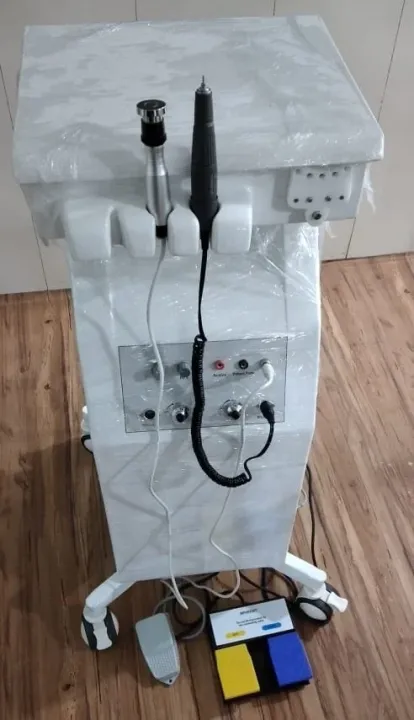
Hair loss is a common concern for both men and women. Factors such as genetics, hormonal changes, stress, nutritional deficiencies, and certain medical conditions can contribute to thinning hair and bald patches. For people experiencing significant hair loss, a hair transplant may be an option worth exploring. Finding the best hair transplant in Gurgaon starts with understanding the available treatments, evaluating clinics, and choosing a qualified medical professional who can recommend the right approach.
Gurgaon, also known as Gurugram, has several hair restoration clinics offering consultations and surgical treatments. However, selecting a clinic should involve more than comparing prices or looking at before-and-after photographs. The surgeon's experience, medical assessment, safety standards, and follow-up care are equally important.
What Is a Hair Transplant?
A hair transplant is a surgical procedure in which hair follicles are moved from a donor area, usually the back or sides of the scalp, to areas affected by hair thinning or baldness.
The transplanted follicles can continue to grow hair in the recipient area, depending on the underlying cause of hair loss and the suitability of the donor hair.
Hair transplantation is commonly considered for people experiencing pattern baldness. However, not everyone is an ideal candidate. A qualified doctor should first assess the cause of hair loss, the condition of the scalp, the availability of donor hair, and the patient's expectations.
Why Consider a Hair Transplant in Gurgaon?
Gurgaon has developed into a major healthcare destination, offering access to dermatologists, hair restoration specialists, and surgical clinics. People from Gurgaon, Delhi, and nearby areas may find it convenient to explore local treatment options.
Here are some factors to consider when looking for a hair transplant clinic in Gurgaon.
1. Experienced Hair Transplant Surgeons
The surgeon's qualifications and experience are among the most important factors in choosing a clinic. Look for a registered medical practitioner with appropriate training in hair restoration surgery.
Ask who will perform the extraction, create the recipient sites, and oversee the implantation process. Understanding the surgeon's direct involvement can help you make a more informed decision.
2. Personalised Hair Restoration Plans
Hair loss varies from person to person. Some people experience a receding hairline, while others have thinning around the crown or more extensive baldness.
A reliable clinic should evaluate your hair loss pattern, donor density, scalp condition, age, and medical history before suggesting a treatment plan. A personalised approach can help establish realistic expectations regarding coverage and density.
3. Modern Hair Transplant Techniques
Clinics may offer different techniques depending on the patient's needs.
Follicular Unit Extraction (FUE): In this technique, individual follicular units are extracted from the donor area and implanted into the recipient area. It generally avoids a long linear scar, although small scars may remain.
Follicular Unit Transplantation (FUT): This method involves removing a strip of scalp from the donor area and separating it into individual follicular units for transplantation. It usually leaves a linear scar.
Direct Hair Transplantation (DHT): This term is used by some clinics to describe particular implantation workflows. The exact procedure can vary, so patients should ask the clinic what the technique involves rather than relying on the name alone.
The best technique depends on your scalp condition, donor hair, goals, and the surgeon's assessment. No single method is ideal for everyone.
How to Choose the Best Hair Transplant Clinic in Gurgaon
Choosing a clinic carefully can help reduce avoidable risks and improve your overall treatment experience.
Check the Doctor's Credentials
Verify the surgeon's medical registration, relevant training, and experience with hair restoration procedures. Ask about the number of similar cases they have handled and whether they can explain the expected results for your specific condition.
Review Before-and-After Results
Photographs can help you understand a clinic's work, but they should be evaluated carefully. Look for consistent lighting, similar camera angles, and photographs showing the hairline and donor area.
Ask whether the examples represent the surgeon's own patients and how long after surgery the photographs were taken.
Understand the Treatment Cost
Hair transplant costs in Gurgaon can vary according to the number of grafts, technique, surgeon's experience, clinic facilities, and aftercare services.
Before making a decision, request a written estimate that explains what is included. Check whether consultations, medicines, follow-up appointments, and additional procedures are charged separately.
Avoid choosing a clinic solely because it advertises the lowest price or guarantees a particular number of grafts.
Check Hygiene and Safety Standards
Hair transplantation is a surgical procedure and should be performed in an appropriate medical setting. Ask about sterilisation practices, emergency arrangements, infection prevention, and the medical team responsible for your care.
Evaluate Aftercare Support
Post-operative instructions and follow-up visits are important parts of hair restoration. Choose a clinic that explains how to care for your scalp, when to resume normal activities, and whom to contact if you experience unexpected symptoms.
Who Is a Suitable Candidate for Hair Transplantation?
A hair transplant may be suitable for people with stable pattern hair loss and sufficient healthy donor hair. However, a medical evaluation is essential before proceeding.
Factors that may influence eligibility include:
-
The cause and progression of hair loss.
-
The density and quality of donor hair.
-
The presence of scalp conditions or inflammation.
-
General health and relevant medical history.
-
Expectations regarding hairline design and final density.
People experiencing sudden hair loss, unexplained thinning, or active scalp disease may need diagnosis and medical treatment before considering surgery.
A transplant does not stop future hair loss in untreated areas. Your doctor may discuss medical treatments or other options to help manage ongoing thinning.
What to Expect During the Hair Transplant Process
Understanding the stages of treatment can help you prepare for the procedure.
Initial consultation: The doctor examines your scalp, discusses your medical history, and evaluates your donor area.
Treatment planning: The surgeon discusses the proposed hairline, estimated graft requirement, technique, expected coverage, and potential risks.
Procedure day: Hair follicles are extracted and implanted under local anaesthesia in most standard procedures. The duration depends on the size and complexity of the treatment.
Recovery period: Temporary redness, swelling, scabbing, and discomfort may occur. Your clinic should provide clear instructions on washing your scalp and avoiding strenuous activity.
Hair growth: Transplanted hairs commonly shed during the early weeks. New growth often begins after a few months, with more visible improvement over six to twelve months. Some patients may need twelve to eighteen months to assess the full result, particularly around the crown.
Results vary depending on individual factors, surgical technique, and the progression of hair loss.
Are Hair Transplants Safe?
Hair transplantation is generally considered safe when suitable patients are treated by qualified professionals in an appropriate clinical setting. However, like any surgery, it carries risks.
Potential complications include infection, bleeding, scarring, temporary numbness, poor growth, unnatural hairline appearance, and temporary shedding of existing hair.
A responsible clinic should explain these risks, discuss alternative treatments, and avoid guaranteeing perfect or permanent cosmetic results.
Questions to Ask Before Booking a Hair Transplant in Gurgaon
Before choosing a clinic, consider asking the following questions:
-
Who will perform the surgery?
-
What are the doctor's qualifications and medical registration details?
-
Which technique is recommended for my condition, and why?
-
How many grafts are likely to be required?
-
What results can realistically be expected?
-
What are the total costs and possible additional charges?
-
What complications should I know about?
-
How many follow-up visits are included?
-
What options are available if my hair loss continues?
The answers can help you compare clinics based on medical quality, transparency, and patient support.
Conclusion
Finding the best hair transplant in Gurgaon requires careful research and a personalised medical assessment. Factors such as the surgeon's qualifications, clinic hygiene, suitable treatment techniques, transparent pricing, and long-term aftercare should guide your decision.
Before committing to surgery, consult a qualified hair restoration specialist to understand the cause of your hair loss and explore the available treatment options. A well-informed decision and realistic expectations can help you work towards a natural-looking hair restoration outcome.
If you are considering a hair transplant in Gurgaon, take time to compare clinics, ask questions, and choose a treatment plan that prioritises your health and individual needs.